
The Shadow AI Gap inside organizations
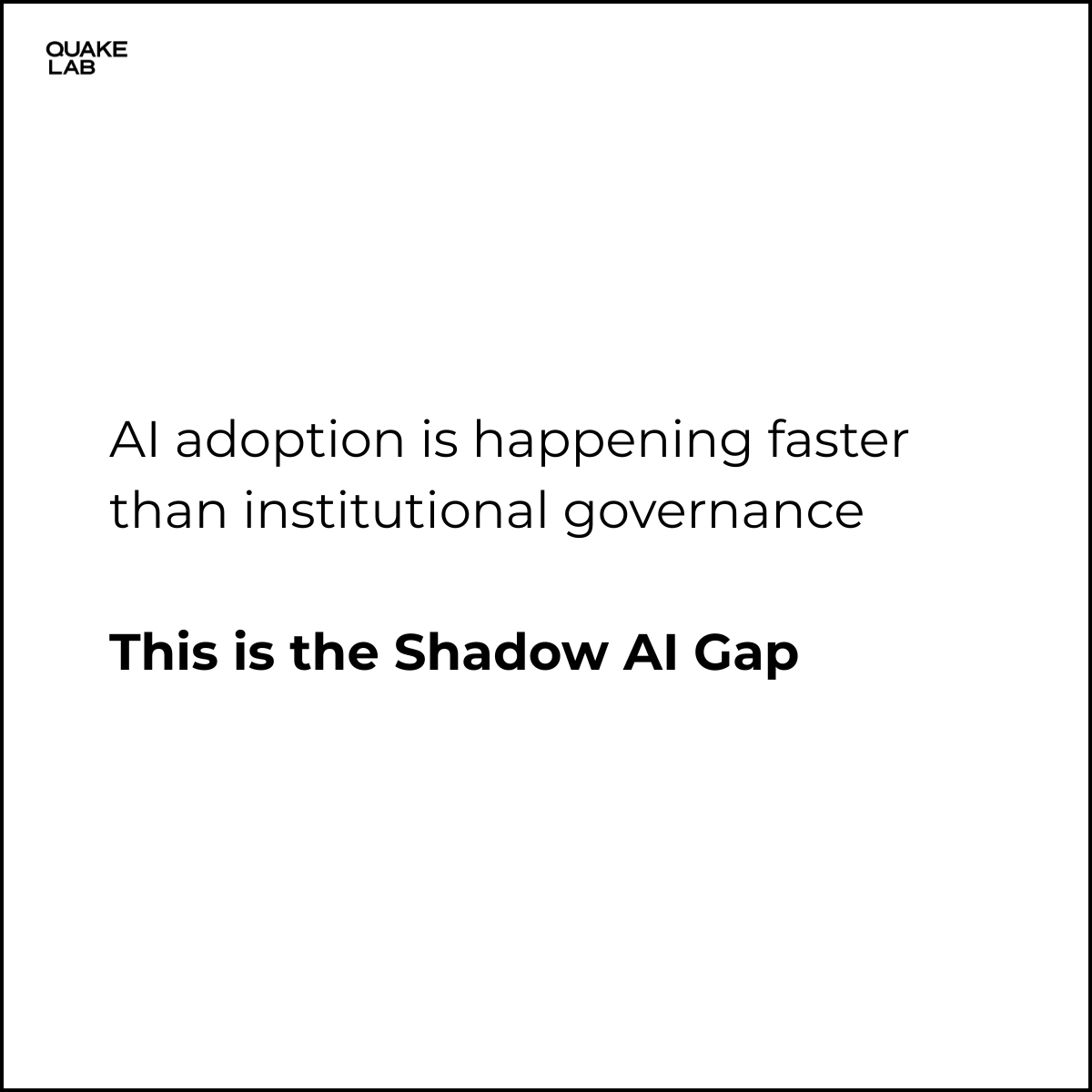
AI adoption inside organizations is happening faster than institutional governance.
Across industries, employees are beginning to use tools like ChatGPT, Copilot, and Gemini to draft documents, summarize information, and support everyday tasks. In many workplaces this adoption is happening informally, as individuals experiment with tools that help them complete their work.
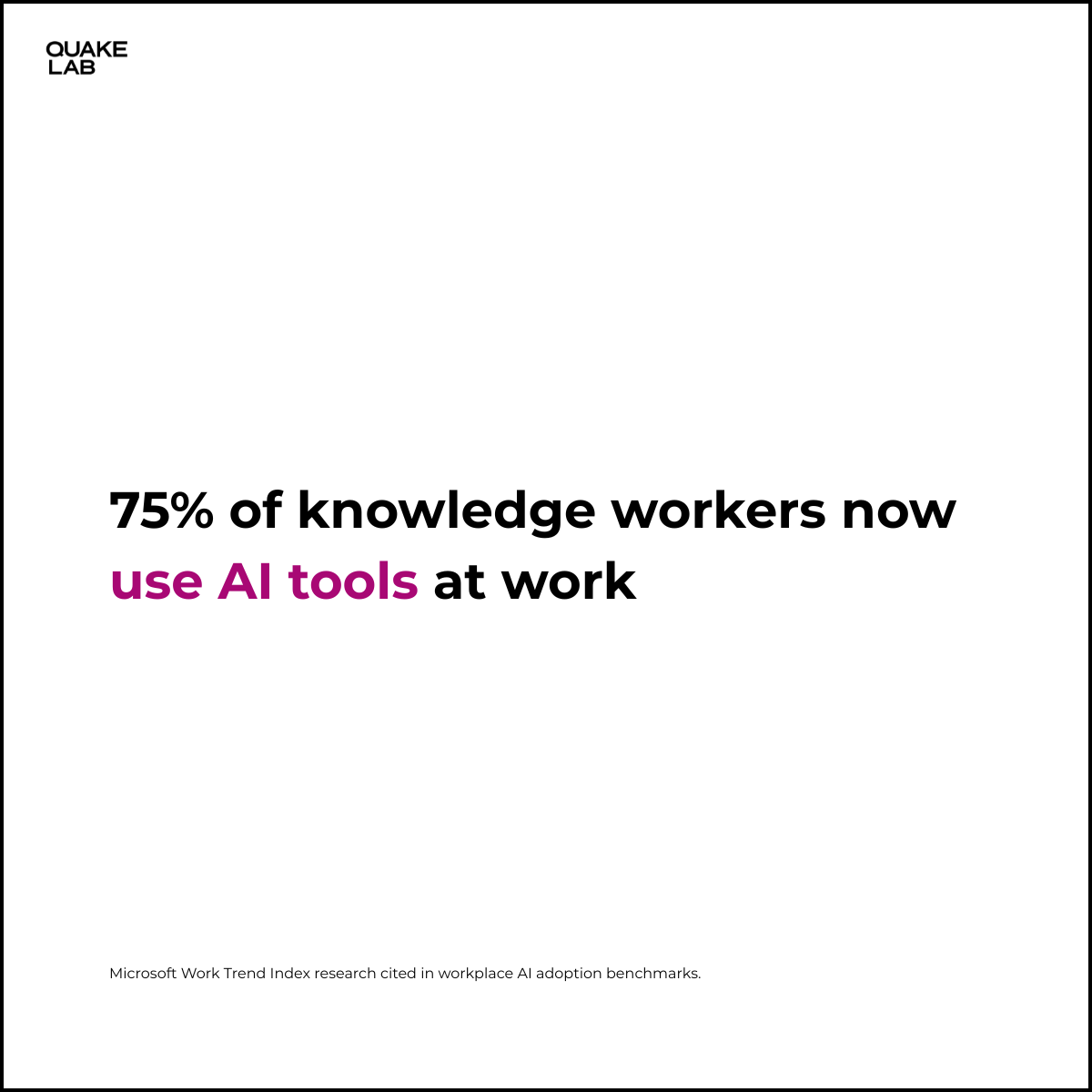
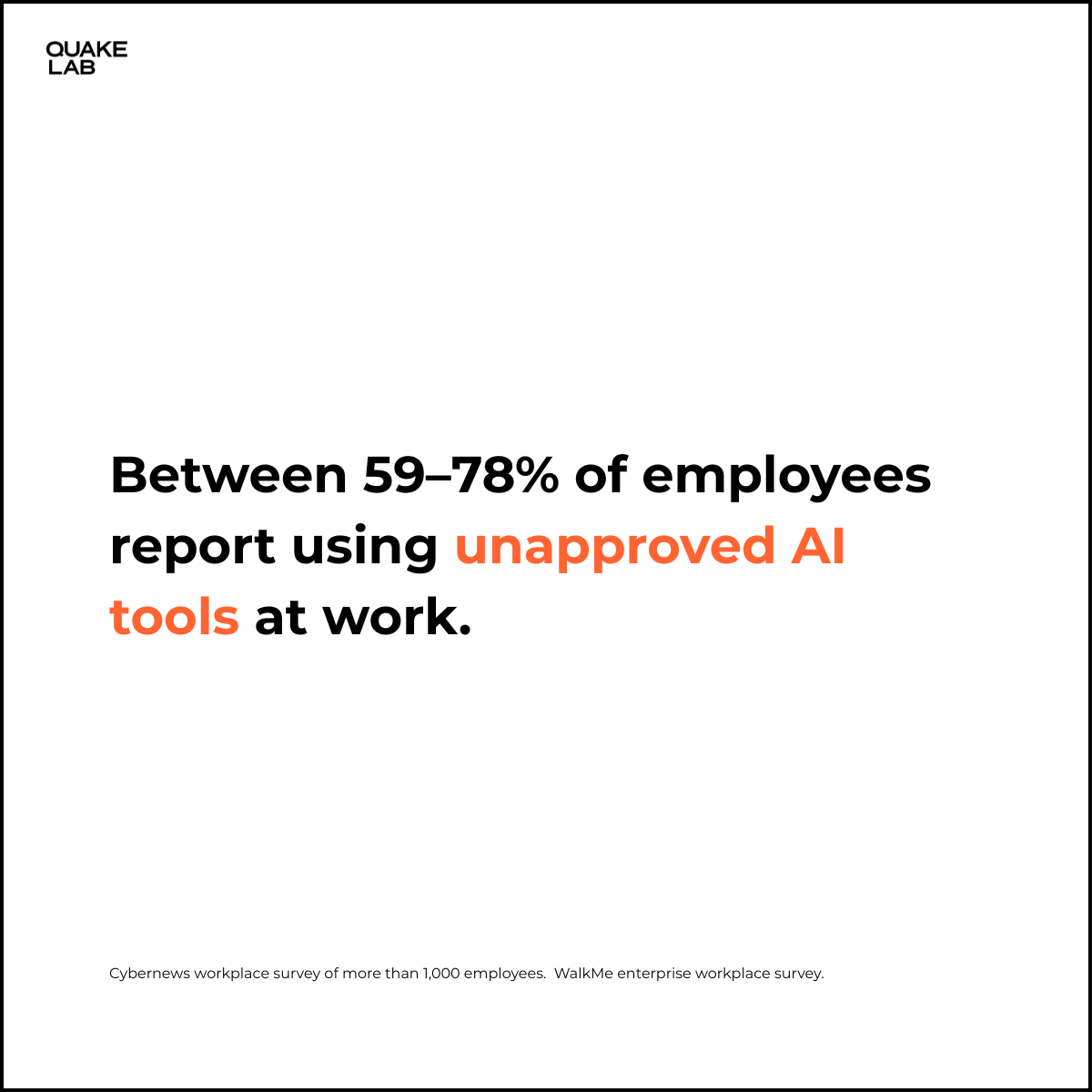
Recent surveys suggest that most knowledge workers now use AI tools in some capacity at work, and that many do so without formal approval or guidance from their employer.
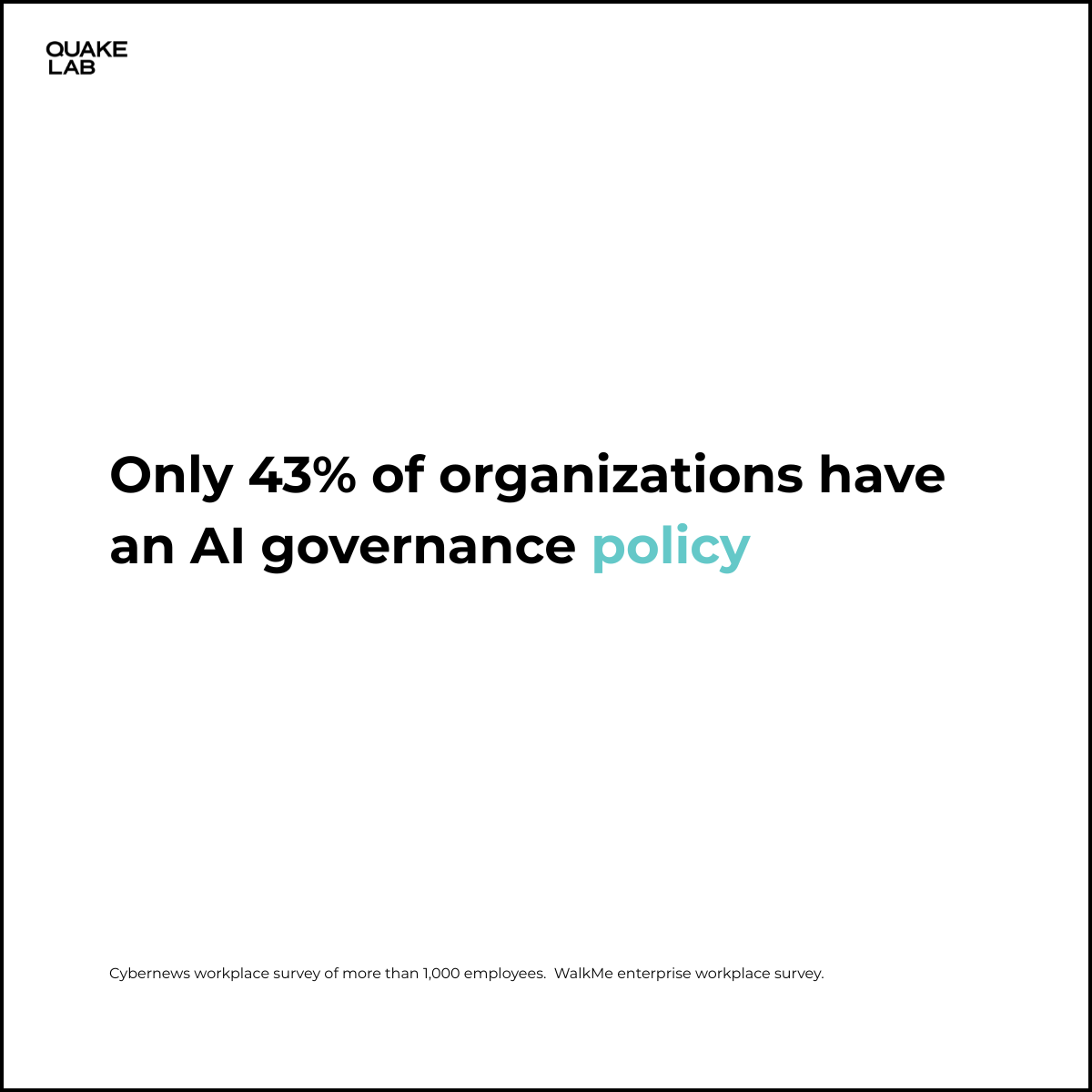
At the same time, fewer than half of organizations report having governance structures in place for how AI should be used internally.
This creates what we refer to as the Shadow AI Gap.
What is Shadow AI?
Shadow AI refers to the use of artificial intelligence tools inside organizations without formal oversight or governance structures.
In many workplaces, employees begin experimenting with new technologies before institutions have had time to develop policies around how those tools should be used.
This pattern is not unusual. Similar dynamics emerged when email became common in workplaces, when social media platforms appeared, and when cloud software spread across organizations.
AI is simply the latest example of a technology entering everyday work faster than institutional governance systems can adapt.
Why governance matters
Generative AI stores and transmits information, but it also actively participates in how information is produced, summarized, and interpreted. When employees use AI tools to draft reports, generate analyses, or synthesize research, those tools become part of the broader decision-making environment inside organizations.
This raises a set of institutional questions.
Where is AI already being used across the organization?
How should AI-generated outputs be reviewed or verified?
Which decisions should remain firmly within human judgment?
Who is responsible for oversight when AI tools influence internal processes?
We don’t want to think of these as primarily technical questions, they are questions about governance, accountability, and institutional design.
An institutional design challenge
At QuakeLab, our work focuses on how institutions design systems that shape how decisions are made.
When new technologies enter organizations, leadership must adapt policies, oversight structures, and governance frameworks to ensure that institutions retain visibility and accountability.
AI adoption presents a similar challenge.
The task facing many organizations today is not simply choosing which tools to adopt, but determining how those tools should be governed once they are embedded in everyday work.
The AI Governance Architecture Sprint
To help organizations address the Shadow AI Gap, QuakeLab offers a focused advisory engagement called the AI Governance Architecture Sprint.
Over the course of an 18-day engagement, QuakeLab works with leadership teams to understand how AI tools are beginning to influence everyday work and to design governance structures that support responsible oversight.
The goal is to help organizations retain clarity, accountability, and visibility as AI becomes embedded in their workflows.
What you receive
During the sprint, QuakeLab works with leadership teams to develop a governance framework for AI use.
This includes:
mapping where AI is already influencing work
identifying governance gaps and risks
designing oversight structures and responsibilities
developing operational guidance for AI use
delivering an executive briefing and implementation roadmap
The outcome is a clear governance architecture that helps organizations navigate AI adoption responsibly.
QuakeLab is opening a small number of pilot engagements for organizations that are beginning to explore how AI should be governed internally.
These early engagements will help refine the governance architecture model while supporting organizations navigating AI adoption today.